Manuscripts Become Published Books
Designed to stand out. Published to reach the world.
TransformYourIdeaIntoAPublishedLegacy
Whether you're starting with a concept, an unfinished manuscript, or a completed book, our team helps bring your vision to life through professional ghostwriting, editing, design, publishing, and marketing services.
From First Idea To Published Success
Idea & Strategy
Every great book starts with a vision. We help define your message, audience, and publishing goals.
Writing & Development
Our professional writers and editors transform concepts into compelling manuscripts.
Editing & Refinement
Every chapter is polished for clarity, structure, flow, and reader engagement.
Design & Production
Industry-standard formatting and premium cover design prepare your book for publication.
Publishing & Distribution
Launch your book across major platforms and make it available to readers worldwide.
Marketing & Growth
Build visibility, generate reviews, and create long-term impact.
More Than Publishing Services
We partner with authors to transform ideas into professionally published books that build authority, influence audiences, and leave a lasting legacy.
Experienced Publishing Team
Writers, editors, designers, and publishing specialists under one roof.
End-To-End Support
From idea development to book launch.
Global Distribution
Reach readers through leading publishing platforms worldwide.
Author-Focused Approach
Your vision remains at the center of every decision.
Everything You Need To Publish Successfully
Ghostwriting
All genres and subgenres, written in your voice with unlimited revisions and a full NDA.
Full Publishing Package
Everything end-to-end with priority turnaround, a dedicated PM, and Amazon listing optimization.
Editing & Proofreading
Developmental, line, and copy editing plus proofreading, with 48-hour rush options.
Book Cover Design
Print and digital covers with genre research, three concepts, and Amazon-optimized dimensions.
Formatting & Typesetting
Interior layout for eBook and print, fully KDP-compliant and ready to publish.
Amazon KDP Publishing
Full upload, metadata, pricing, and category selection with 24–72 hour go-live.
Estimate Your Investment
Every project is unique. This gives you a starting range — your free consultation will confirm exact pricing.
Estimated range for Ghostwriting at 40,000 words
*Prices are estimates. Final pricing confirmed after discovery call.
Books We've Helped Bring To Life
Each book represents a unique story, expertise, and vision brought to life through our publishing process.

The Quiet Harbor
Claire Harmon

Wildflower Season
Rachel Summers
The Last Ledger
Marcus Reid
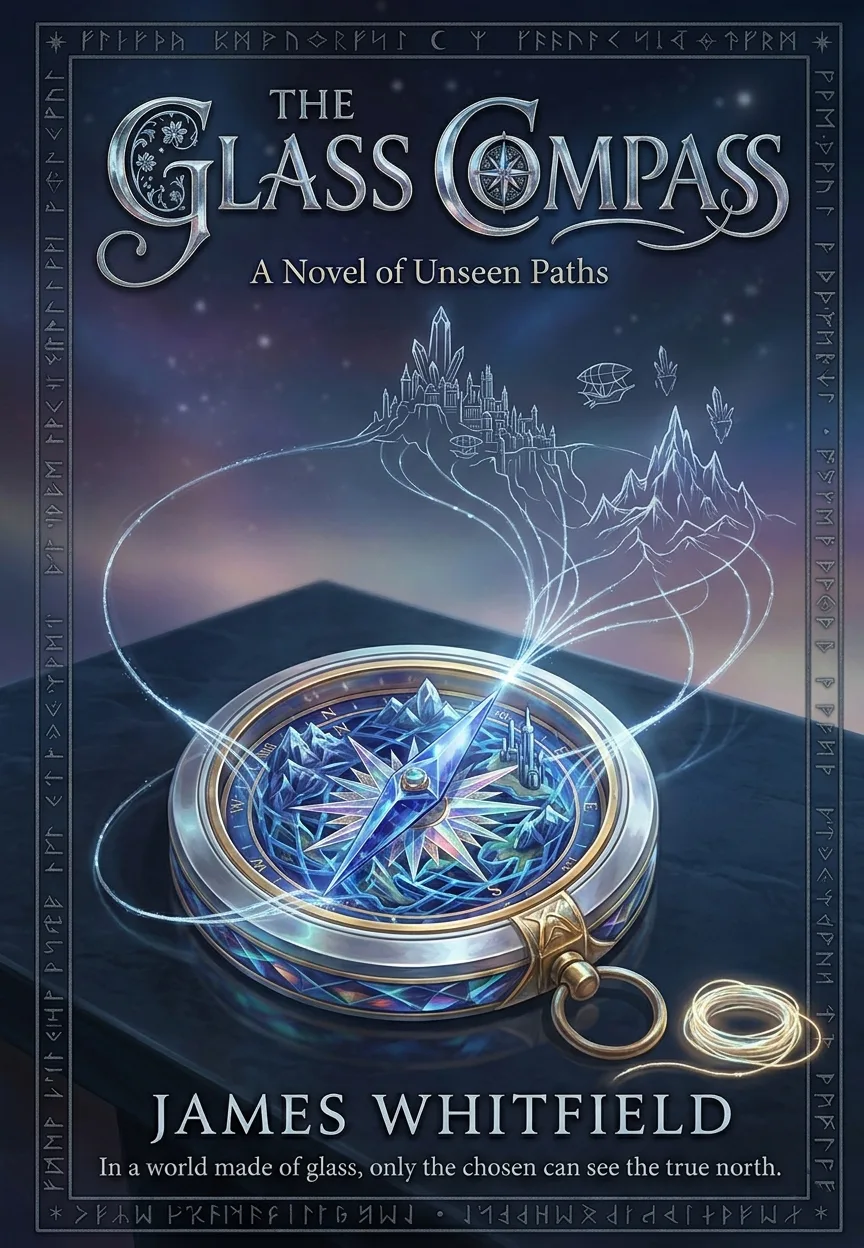
The Glass Compass
James Whitfield

Rebuilding Bridges
Diane Ellison
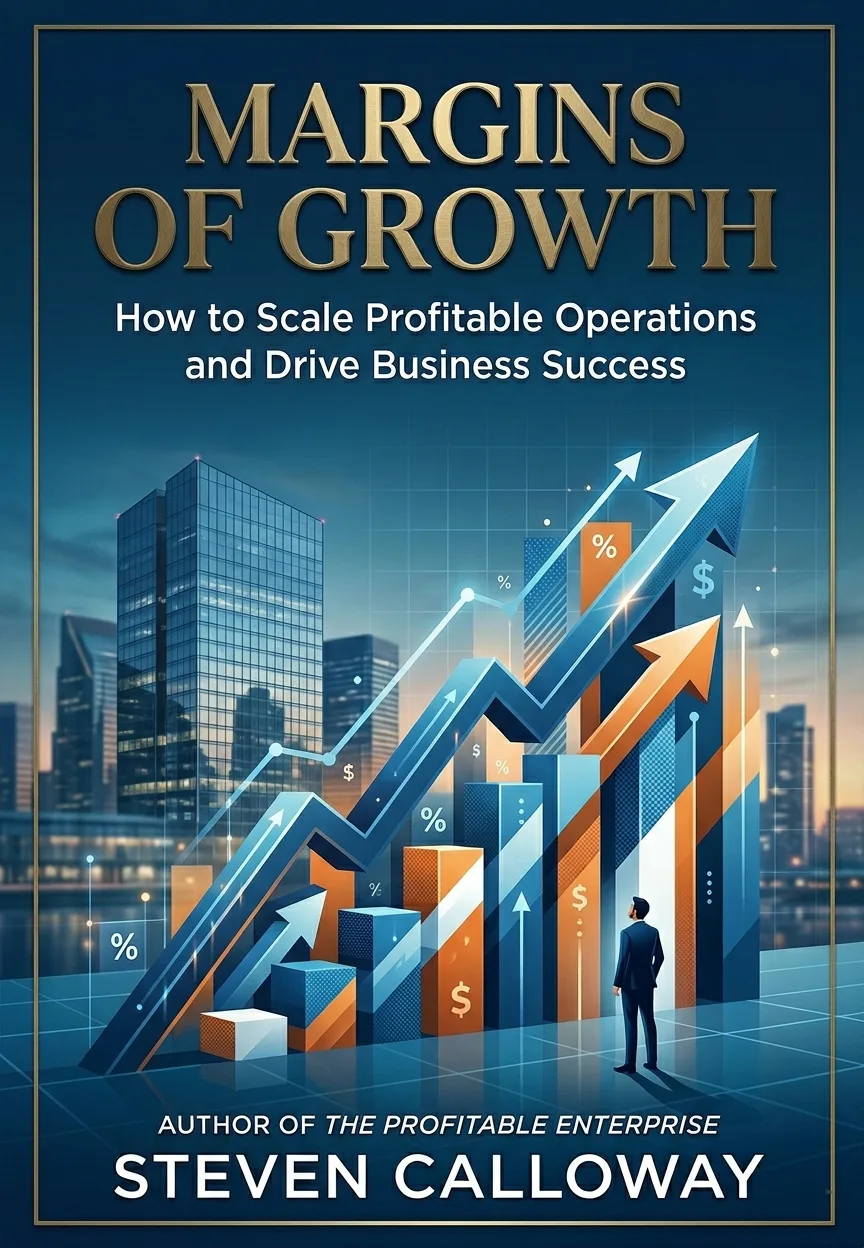
Margins of Growth
Steven Calloway

Letters to Eleanor
Natalie Voss
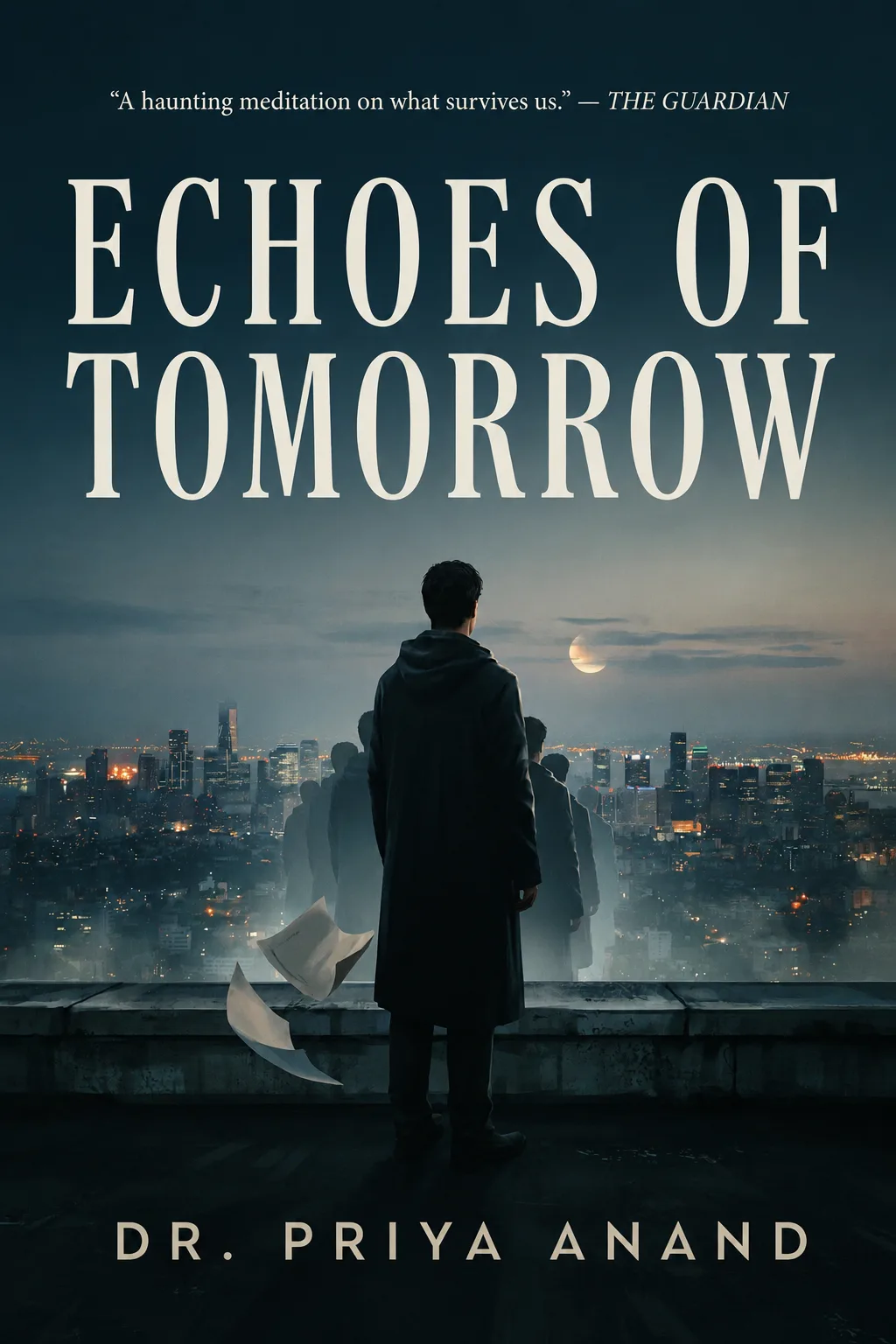
Echoes of Tomorrow
Dr. Priya Anand

A Garden in Winter
Stephanie Brooks
The Quiet Harbor
Claire Harmon
Wildflower Season
Rachel Summers
The Last Ledger
Marcus Reid
The Glass Compass
James Whitfield
Rebuilding Bridges
Diane Ellison
Margins of Growth
Steven Calloway
Letters to Eleanor
Natalie Voss
Echoes of Tomorrow
Dr. Priya Anand
A Garden in Winter
Stephanie Brooks
Trusted By Authors Across Genres
“I had a story in my head for fifteen years and no idea how to get it onto the page. The team captured my voice so perfectly that my own family couldn’t tell I hadn’t written every word myself.”
Claire Harmon
The Quiet Harbor
“From our first call to the day my memoir went live on Amazon, every step felt effortless. The editing alone made my manuscript feel like it came from a major publishing house.”
Diane Ellison
Rebuilding Bridges
“The cover design team nailed the thriller aesthetic on the first round of concepts. My book now looks like it belongs right next to the bestsellers in its category.”
Marcus Reid
The Last Ledger
“As a busy founder, I never thought I’d have time to write a business book. The interviews were painless, and ten weeks later I was holding a published copy in my hands.”
Steven Calloway
Margins of Growth
“Unlimited revisions sounded too good to be true, but they meant it. We went back and forth until every chapter felt exactly right, and I never felt rushed.”
Rachel Summers
Wildflower Season
“The formatting and KDP publishing process was completely handled for me. My book went live in under three days and the interior layout looks stunning in print.”
Natalie Voss
Letters to Eleanor
“I had a story in my head for fifteen years and no idea how to get it onto the page. The team captured my voice so perfectly that my own family couldn’t tell I hadn’t written every word myself.”
Claire Harmon
The Quiet Harbor
“From our first call to the day my memoir went live on Amazon, every step felt effortless. The editing alone made my manuscript feel like it came from a major publishing house.”
Diane Ellison
Rebuilding Bridges
“The cover design team nailed the thriller aesthetic on the first round of concepts. My book now looks like it belongs right next to the bestsellers in its category.”
Marcus Reid
The Last Ledger
“As a busy founder, I never thought I’d have time to write a business book. The interviews were painless, and ten weeks later I was holding a published copy in my hands.”
Steven Calloway
Margins of Growth
“Unlimited revisions sounded too good to be true, but they meant it. We went back and forth until every chapter felt exactly right, and I never felt rushed.”
Rachel Summers
Wildflower Season
“The formatting and KDP publishing process was completely handled for me. My book went live in under three days and the interior layout looks stunning in print.”
Natalie Voss
Letters to Eleanor
Every Published Book Becomes Part Of Something Bigger
Books inspire conversations, preserve knowledge, and leave a lasting impact long after they are written. Whether your goal is to educate, inspire, entertain, or build authority, your story deserves to be shared with the world.
Frequently Asked Questions
Your Story Deserves To Be Published
Join authors who trusted us to turn their ideas into professionally published books.
Transforming Ideas Into Legacy